Are you building a new home? Firstly, congratulations, it is one of the biggest milestones you can achieve, which offers a feeling of fulfilment. While building a new home, homeowners often pay close attention only to choosing amenities or selecting wall colours. If you are also doing the same, take a pause. At this stage, you must consider damp proofing in Newark-on-Trent. This single proactive decision can protect the home for years and prevent weather issues.
Why is Damp Proofing Crucial for New Properties?
Although the latest technologies and ingredients help prevent dampness, they are not enough. Dedicated dam proofing is essential, and there are many reasons for it.
New Homes Are Not Immune to Damp
One of the most common myths is that new properties do not face dampness, but this is far from the reality. Newest properties are also subject to the risks of damp, especially if they remain exposed to the weather events during construction. Due to exposure to weather agents, moisture can seep into the structure, leading to future heavy damp. Dedicated damp proofing in Newark-on-Trent provides an added layer of protection and reduces the risk.
Sets the Foundation of Future
Rising damp occurs when moisture from the ground travels up through the walls of a building. It largely impacts the property’s structure and foundation. Specifically, the lower parts of the home sustain the most damage. A damp-proof course (DPC) during construction serves as a preventive measure to prevent this in the future.
Prevent Condensation Issues
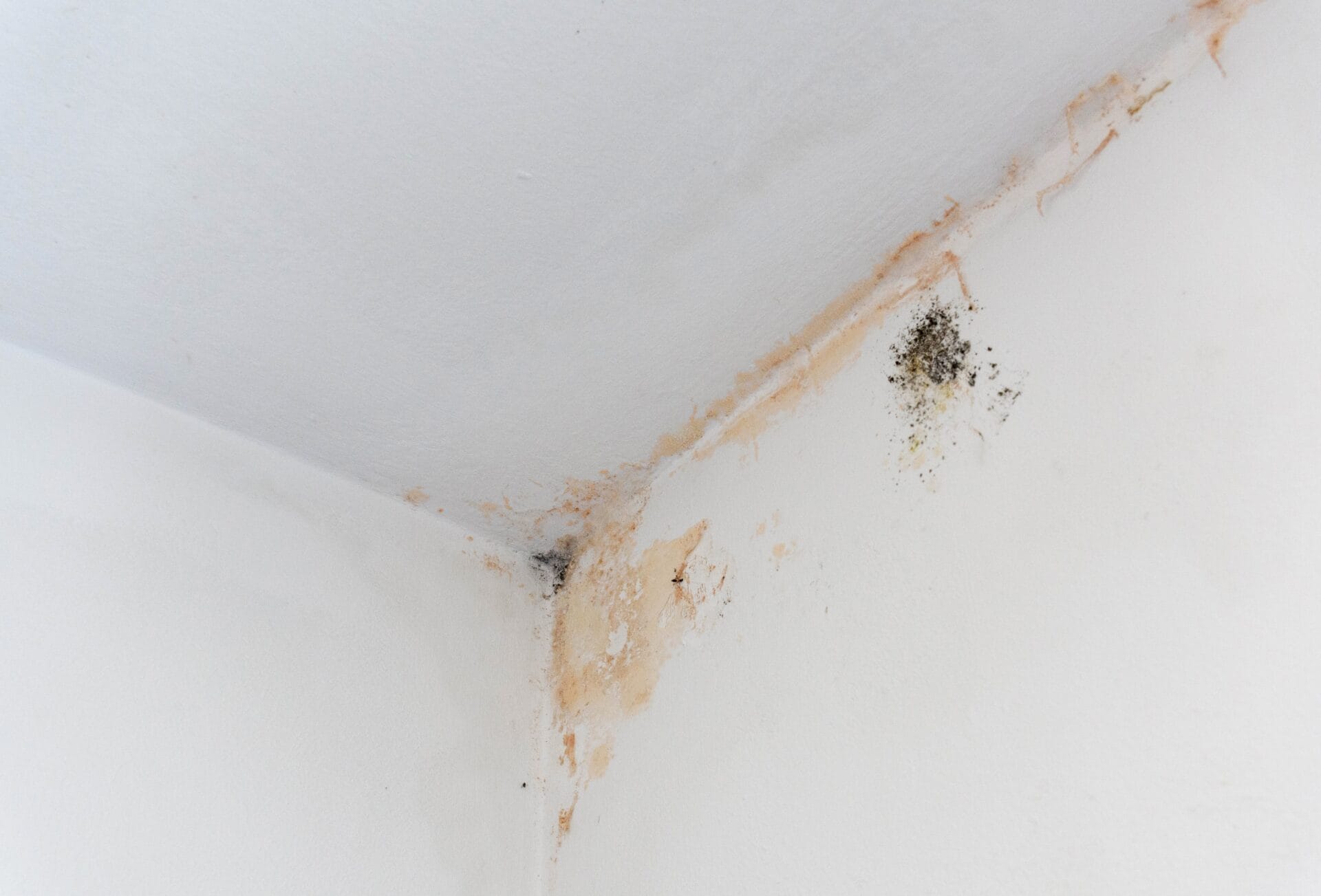
New homes commonly have higher insulation, resulting in a more comfortable indoor temperature. However, if you let condensation accumulate inside the home, it will lead to dampness. The corners that receive less sunlight, such as bathrooms, kitchens, and basements, are most likely to develop damp issues. Proper damp proofing can help control moisture levels and prevent the build-up of condensation.
Avoiding Mould and Mildew
Excess moisture can lead to mould and mildew even in new properties. Mould and mildew not only degrade materials more quickly but also contaminate indoor air. This contaminated air causes severe respiratory issues and allergies. Damp proofing prevents moisture from seeping into the property and accumulating, and this prevents dampness.
Protecting the Structural Integrity
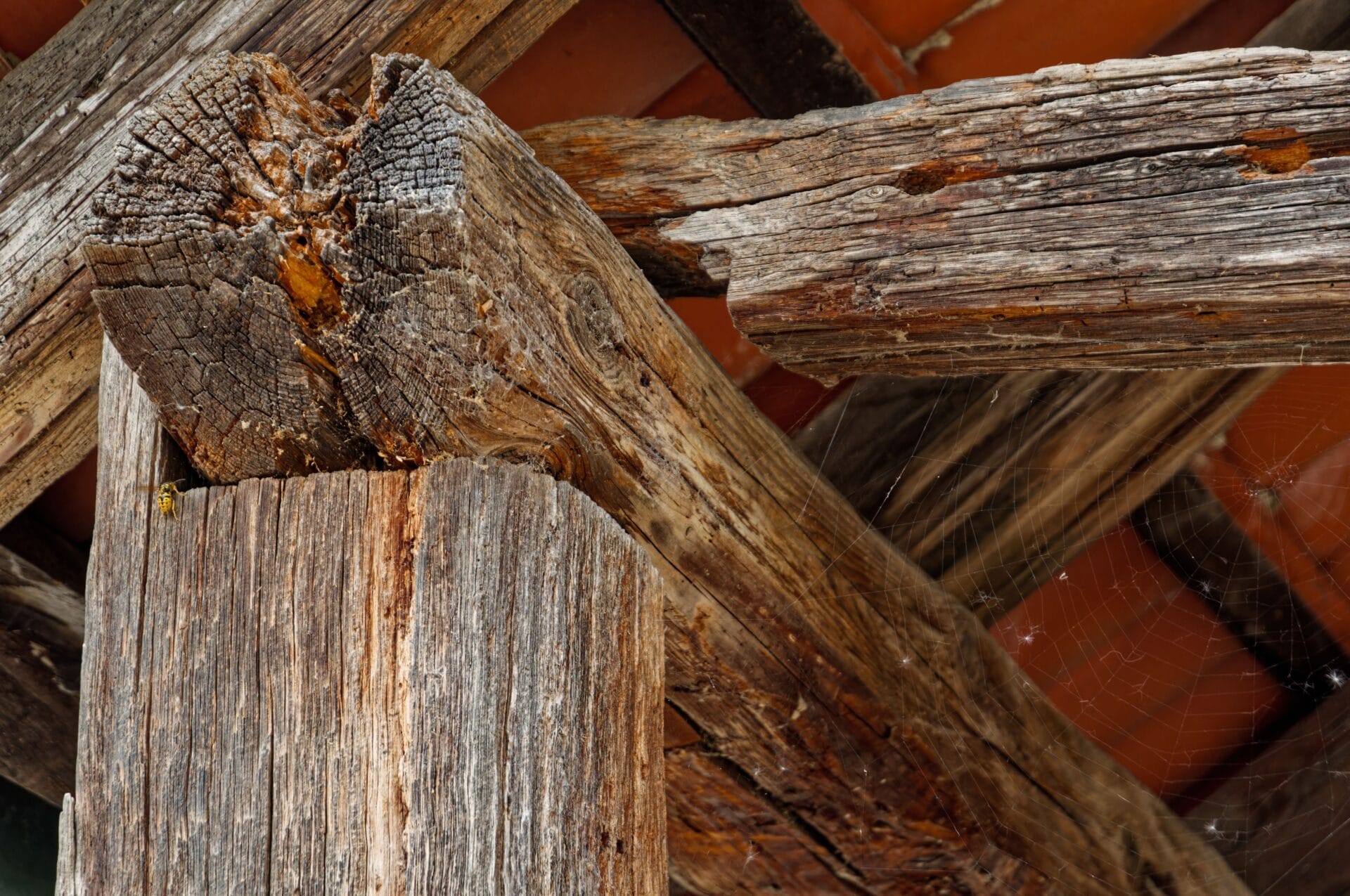
Damp occurs when water penetrates the structure, such as walls, ceilings, and floors. Damp is not just a cosmetic issue. Over time, it weakens the structural integrity. Moreover, over time, damp also affects the wood plaster, resulting in faster deterioration.
Building Regulations
In many regions of the UK, damp proofing is an integral part of the regulations. Adhering to these regulations prevents legal issues and protects the property. In future, it will also help your property to stand out in the real estate market.
New buildings can face damp issues, and if not treated early, they can ruin your entire home. Opting for damp proofing in Newark-on-Trent prevents potential problems, such as rising damp, condensation, and mould growth. If you are wondering how to do it, do not worry, we have your back.
At Paul Newman Damp Proofing, we have expertise in offering damp proofing services. Whether you have commercial or residential properties, our damp proofing services are dedicated to extending their lifespans.
Book a damp proofing service now.