The topic of dampness usually conjures images of bathrooms, and indeed, because of constant exposure to moisture, condensation, and steam, bathrooms obviously require proper damp-proofing. However, dampness may appear anywhere in a building. From bedrooms and living spaces to kitchens and basements, moisture can seep through the walls and floors in many ways. For individuals looking for damp proofing in Newark-on-Trent, knowing which parts of the house are vulnerable to dampness is the first step in protecting their property.
Whole-Home Damp Proofing: Why It Matters
Bedrooms Can Develop Hidden Damp Problems
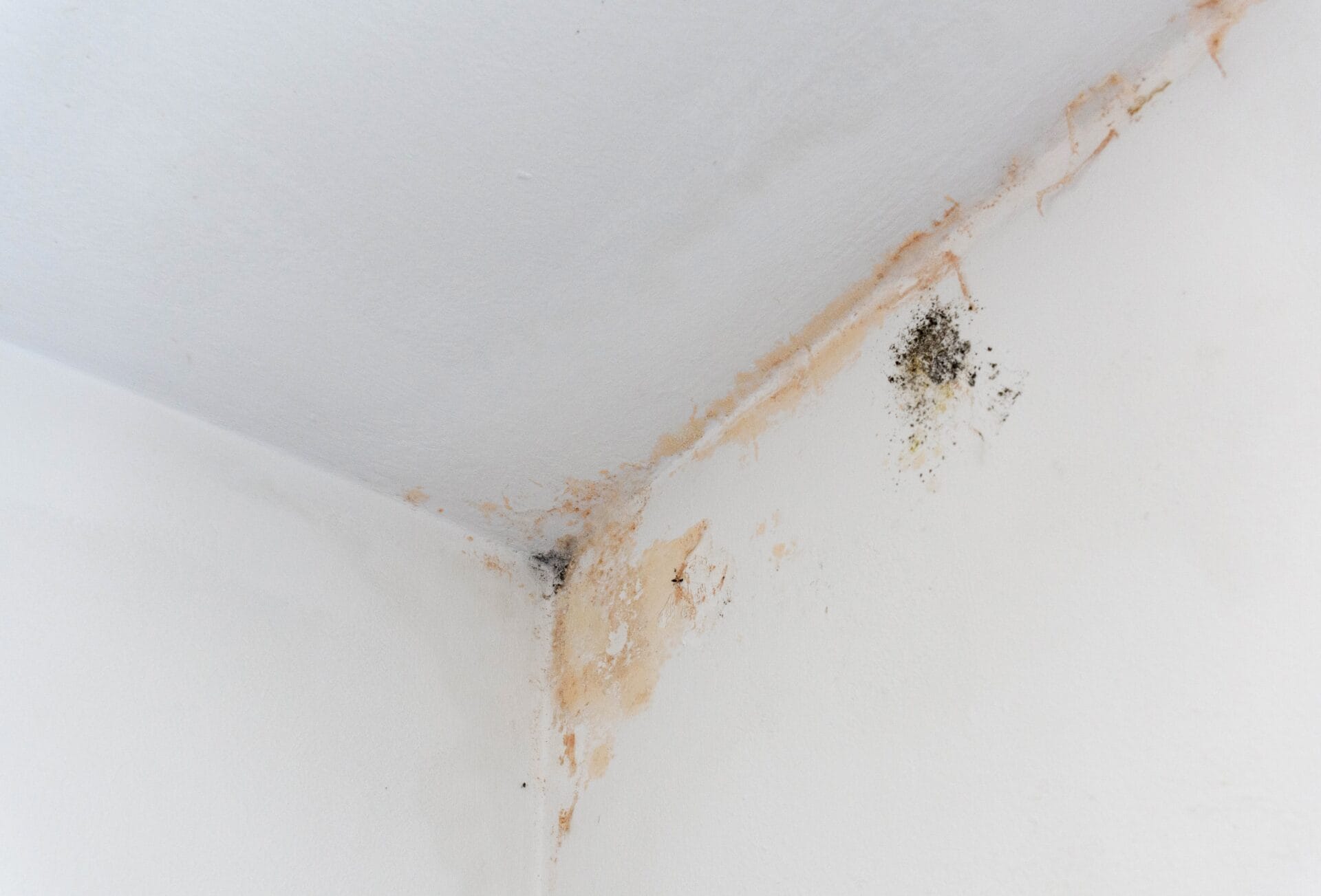
Although bedrooms may seem like an odd place for dampness because they have little contact with water sources, condensation can cause serious moisture problems, especially in rooms with poor air circulation. Activities such as sleeping, drying clothes inside, and poor airflow can lead to humidity and moisture build-up on cold walls. Long-lasting condensation may cause mould growth, unpleasant smells, peeling wallpaper, and serious damage to paintwork. Dampness can be hard to notice in hidden areas, like behind wardrobes and other furniture, until it becomes a serious problem.
Living Rooms Are Also Vulnerable to Moisture
There can be multiple reasons for dampness in living rooms, ranging from condensation to penetrating damp, to dampness caused by exterior walls. A cracked render, poor brickwork, poor gutters, and leaking pipes can all cause dampness in the property. Signs can include discolouration, blisters, peeling plaster, or a musty smell. Furniture placed right next to an affected wall can make these signs hard to spot. Regular wall inspections and attention to unexplained stains can help homeowners identify the cause before extensive damage occurs.
Kitchens Produce More Moisture Than You Think
A lot of steam can produce a lot of moisture. Cooking, boiling water and dishwashing all create extra moisture in the room. If the extractor fans don’t work properly and no windows are open, the steam can affect the walls and ceiling. Even though kitchen surfaces are resistant to a little moisture, prolonged exposure can cause condensation and mould. A professional damp survey can help to identify the source of the moisture.
Basements, Hallways and Ground Floors Need Attention
Ground floor areas are widely known to be highly vulnerable to damp. Water can enter walls where the damp-proof course is either ineffective or damaged. Another reason is that basements and cellars sit below ground level. Halls are likely to be affected by damp near skirting boards and walls. Indications of damp include cracking plaster, salt deposits, paint flaking, and powder formation on masonry. Fixing the moisture issue, rather than treating the symptoms, is crucial for a permanent fix.
Protect Your Entire Property From Damp
Moisture issues should not be seen as confined to bathrooms. Moisture can become a problem almost anywhere in a property, depending on the design, ventilation system, drainage, and external conditions. Identifying warning signs early is essential to minimise damage to plaster, decoration, flooring, and even the property’s structural integrity. If a homeowner is looking for damp proofing services, an expert inspection can help determine the source of moisture and the best way to resolve it. Instead of continually repainting or dealing with surface effects, damp proofing addresses the root cause.
Stop Damp Before It Spreads
Property protection begins with realising that moisture could develop anywhere. Homeowners can create a better place to live by having an inspection done whenever warning signs appear and by providing effective ventilation and drainage on the outside of the house. You can trust us here at Paul Newman Damp Proofing for best-in-class damp proofing in Newark-on-Trent. Call us today to book a free site visit by our experts.