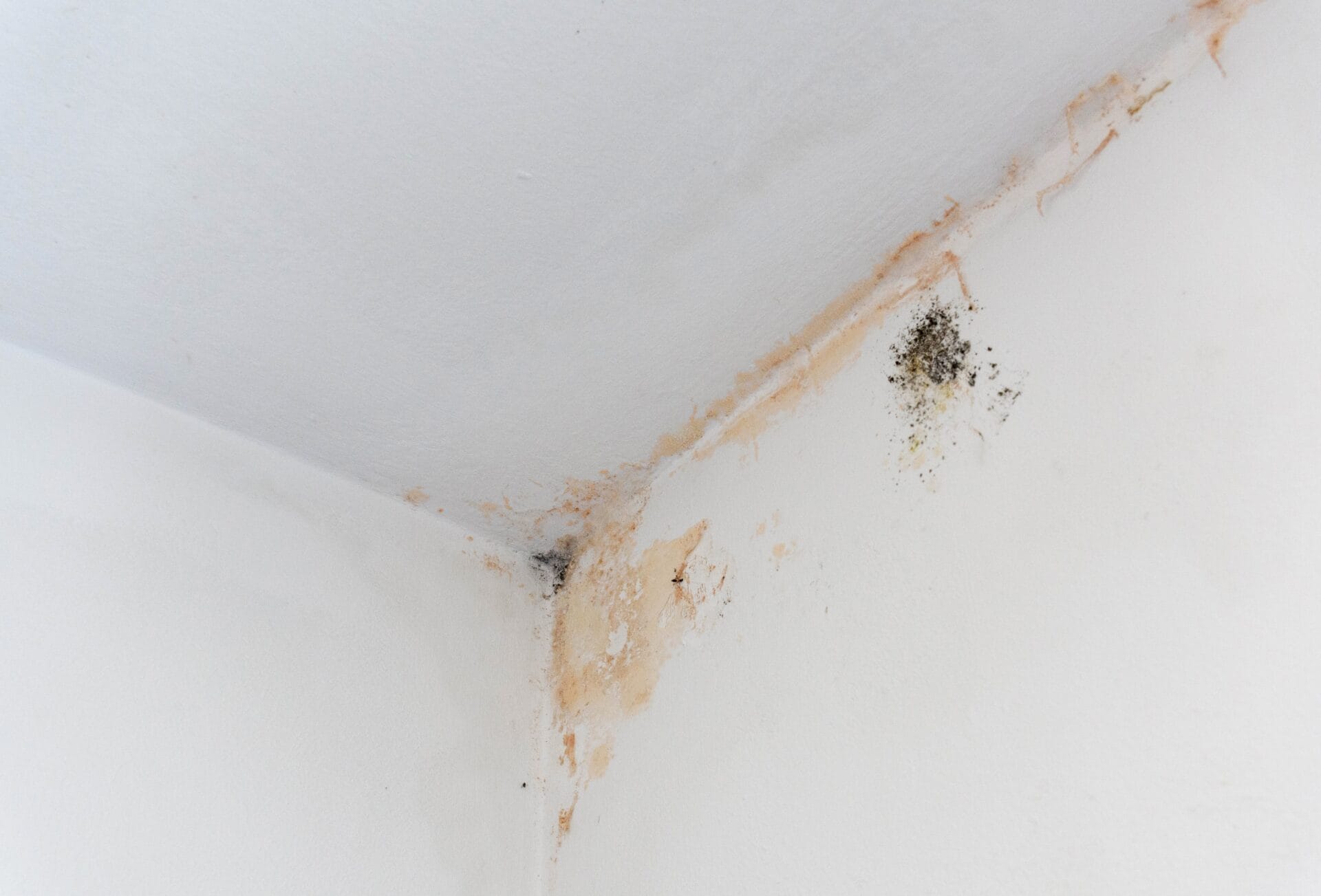
Damp on the walls can be a nightmare for homeowners. It appears unsightly and can also lead to potential structural damage. It can pose some health risks at the same time. It often leads to musty smells, peeling paints, and even mould growth. Therefore, it is necessary to address the moisture-related issues as soon as possible. Experts may recommend that you go through damp proofing in Lincolnshire to ensure a safe and comfortable home.
To address moisture on the wall, it is necessary to identify the causes first and then seek suitable solutions. Experts can come to your rescue on occasion.
Common Causes of Damps and Solutions
Rising Damp
When moisture originates from the ground and travels towards the walls due to the absence of a damp-proof course, it is referred to as rising damp. Some of the common signs are discolouration, tide marks on the walls, and peeling paint. In case of long-term effects, you may notice crumbling of plaster and damage to the structural integrity.
If the issue persists or worsens, it may be best to consult the experts, as they have a wide range of solutions at their disposal. One of the most common solutions is the chemical damp proofing course. It may involve drilling a small hole at the base of the wall, which has been affected the most. Experts may inject a chemical solution into them to create a waterproof barrier. It can also stop the moisture from rushing from the ground. It is better to replaster the wall after removing the contaminated plaster. It can ensure a clean and dry finish. It is an effective and long-lasting method when performed by expert professionals.
Penetrating Damp
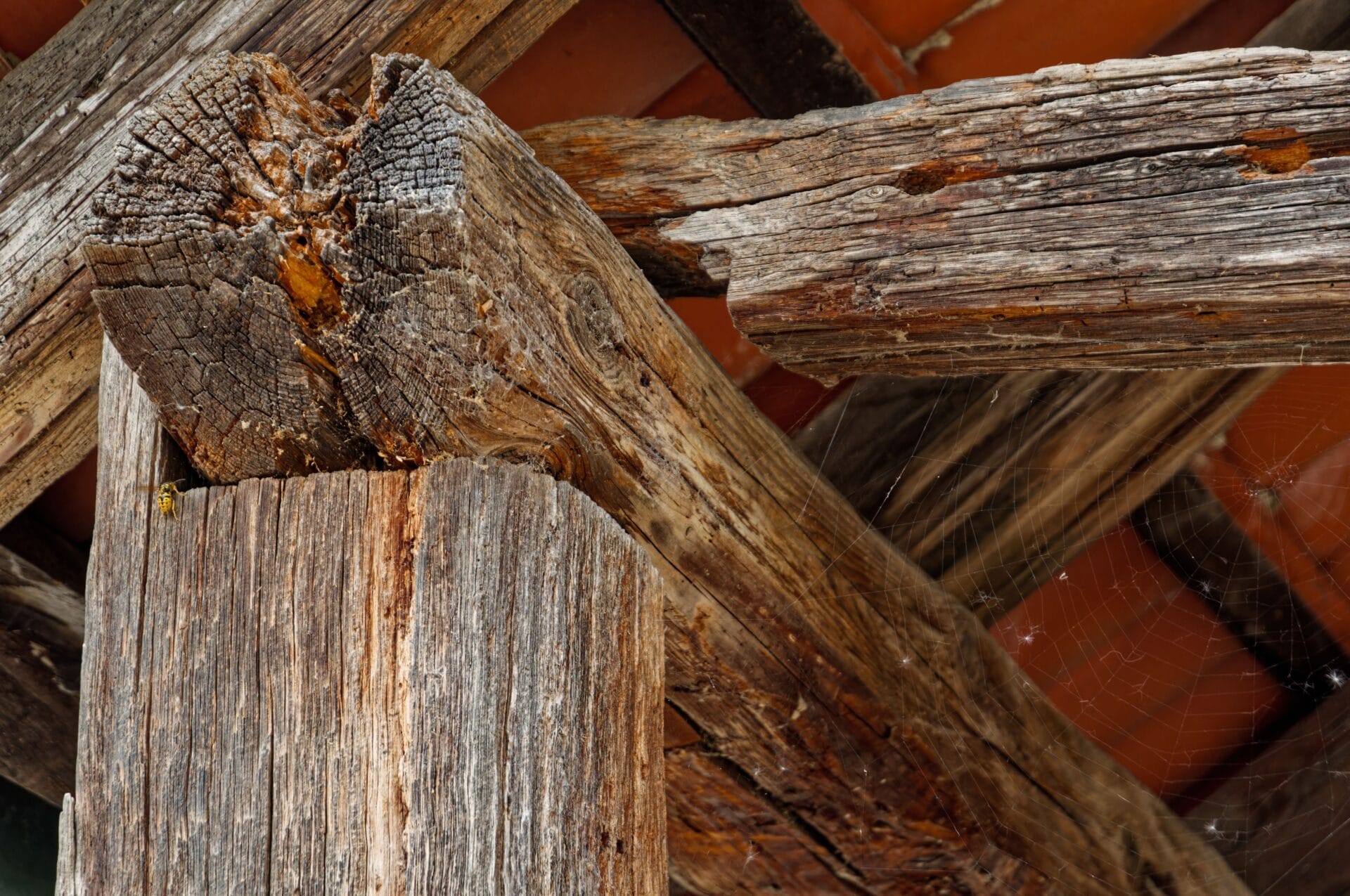
If water enters from outside to inside, it is referred to as penetrating damp. It occurs due to porous, leaks, or cracks in the walls. Following a heavy rain, localised patches may grow further. It is usually an indicator that there is damp on the walls. Failing to resolve the issue on time may cause rot in the timber, weakening the building’s fabric.
Both the waterproofing and external repairs may be necessary to treat the penetrating damp. Repointing damaged brickwork can be an effective option, as it seals the gap and prevents water ingress. It is better to install an external waterproofing barrier to guarantee a protective layer over the building. Do you require repairs or replacements for the downpipes, gutters, and flashing? Experts can make the necessary arrangements. To decrease the penetration of the moisture, installing a cavity wall can be a solution. It could improve the building’s energy efficiency level.
If you address the structural issues promptly, proper treatment may provide a comprehensive solution to ensure protection from further damage.
Paul Newman Damp Proofing has a team of skilled experts to offer damp proofing in Lincolnshire. Whether it is minor or major moisture-related issues, we can provide you with the necessary help. Contact us today to know more.